Author: Dana

  • Costa del Sol or Costa Blanca? Where Should You Buy a Home in Spain?

    Costa del Sol or Costa Blanca? Where Should You Buy a Home in Spain?

    Spain has a way of making the property search feel surprisingly simple. Until you start deciding where to buy.

    You find an apartment with a generous terrace, a glimpse of the Mediterranean, and a price that makes you look twice. Then you find another, hundreds of kilometres away, that seems equally appealing.

    One is on the Costa del Sol. The other is on the Costa Blanca.

    Both offer Mediterranean living, established international communities, beautiful coastal towns, and the possibility of owning a home in Spain. But choosing between them involves considerably more than comparing property listings.

    For Canadians and Americans considering a second home, retirement property, or somewhere to spend several months each year, the better question isn’t simply which coast is more beautiful.

    It’s which one makes sense for the life you actually intend to live.

    Costa del Sol vs Costa Blanca: What’s the Difference?

    The Costa del Sol is often a strong choice for buyers who value the Málaga area, an established international lifestyle, and access to southern Andalucía. The Costa Blanca offers a wider variety of coastal settings, from lively international communities to smaller Spanish towns, often with different property options at comparable budgets.

    Neither is automatically cheaper, better for retirement, or a stronger investment. Those answers depend on the particular town, neighbourhood, property, and your intended use.

    Here’s how the two compare at a glance.

    ConsiderationCosta del SolCosta Blanca
    LocationAndalucía, around MálagaAlicante province, Valencian Community
    Well-known townsMarbella, Estepona, Mijas, Fuengirola, NerjaJávea, Dénia, Altea, Calpe, Torrevieja
    LifestyleInternational coastal communities, golf, restaurants, Málaga city accessVaried coastal towns, established expat communities, quieter residential options
    AirportsMálaga-Costa del SolAlicante-Elche, with Valencia useful for some northern locations
    Property marketStrong demand in established coastal destinationsWide variation between northern and southern coastal markets
    Best fitBuyers drawn to Andalucía and its international coastal lifestyleBuyers seeking a broad choice of towns and property settings

    These are regional tendencies, not guarantees. Marbella and Nerja offer different experiences, just as Jávea and Torrevieja do.

    Two Coasts, Two Different Ways of Experiencing Spain

    Costa del Sol: International Living With an Andalusian Character

    The Costa del Sol stretches along the Mediterranean coast of southern Spain, with Málaga at the centre of much of its transport and cultural life.

    Marbella is known for its international profile and higher-end property market. Estepona combines an attractive town centre with expanding residential areas. Fuengirola is lively and convenient, while Mijas offers everything from a traditional hillside village to established coastal communities.

    Then there’s Málaga itself, a proper working city with museums, neighbourhood restaurants, markets, and everyday Spanish life beyond the holiday season.

    One of the Costa del Sol’s advantages is that you’re also within reach of inland Andalucía. Granada, Ronda, and the white villages offer experiences that feel quite different from a day at the beach.

    But the region isn’t without compromises. Popular coastal areas can be busy, development varies considerably, and properties with sea views or desirable locations can command substantial premiums.

    The atmosphere also changes from one community to another. Choosing the Costa del Sol is only the beginning of choosing where to live.

    Costa Blanca: More Variety Than Its Reputation Suggests
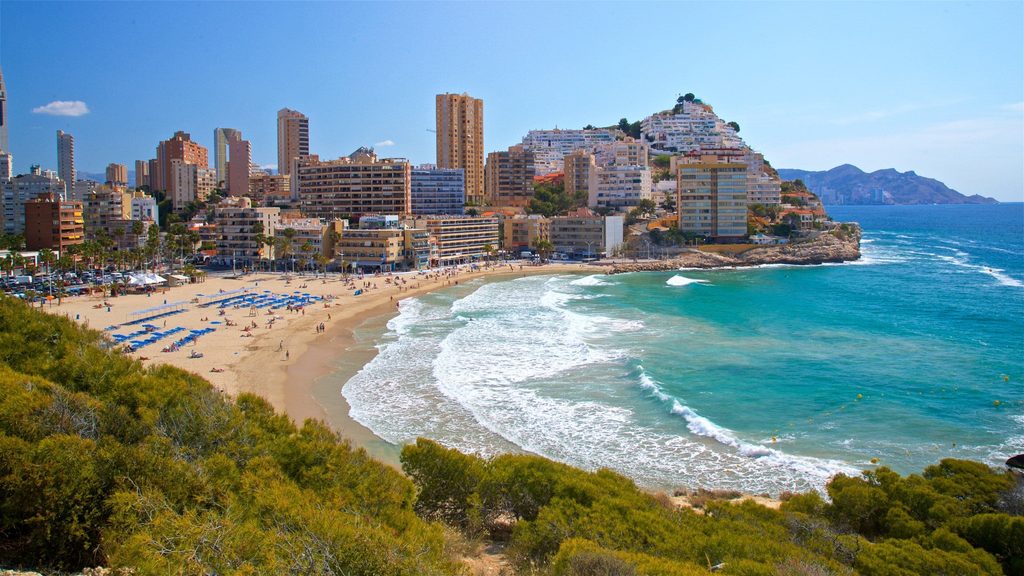
    The Costa Blanca, in Alicante province, deserves a closer look than many first-time buyers give it.

    Its northern section includes places such as Jávea, Dénia, Altea, and Calpe, where coves, hillsides, marinas, and established residential communities shape the landscape.

    Farther south, Torrevieja and Orihuela Costa offer a different environment, with extensive international communities, residential developments, and a wide range of property types.

    Alicante city adds another possibility for buyers who prefer urban life, restaurants, cultural activities, and public transport over a predominantly resort-style setting.

    The important distinction is that the northern and southern Costa Blanca can feel remarkably different.

    Someone who loves Altea may not necessarily enjoy Torrevieja, and vice versa. That’s why comparing the two coasts as single destinations can be misleading.

    What Does Your Property Budget Actually Buy?

    This is where the comparison becomes more practical.

    The Costa del Sol has several well-established premium markets, particularly around Marbella and desirable coastal locations. On the Costa Blanca, buyers may find different combinations of space, amenities, and location for a similar budget, especially outside the most sought-after northern towns.

    But it would be a mistake to assume that the entire Costa Blanca is inexpensive or that the Costa del Sol is uniformly expensive.

    A modern apartment near the sea in Jávea can cost substantially more than an older apartment farther inland near Málaga.

    Instead of comparing regional averages alone, compare properties using the same criteria:

    • Purchase price and estimated acquisition costs
    • Interior space, terrace, parking, and storage
    • Walking distance to shops, restaurants, and the beach
    • Age and condition of the building
    • Community fees and expected maintenance
    • Airport access and practical year-round amenities

    Remember that the asking price is not the full cost of ownership. Taxes and transaction costs depend on the region, property type, and individual circumstances. Ongoing expenses, insurance, maintenance, and currency exchange also deserve attention.

    A property that appears less expensive initially may not necessarily be the more economical choice over ten years.

    The Lifestyle Question: Holiday Destination or Second Home?

    There’s a meaningful difference between enjoying a place for ten days and owning a home there.

    On holiday, you might happily drive to a different beach every afternoon, eat out every evening, and spend little time thinking about groceries or medical appointments.

    Ownership changes the questions.

    Can you walk to a café in January? Is there a supermarket nearby? Does the neighbourhood feel active outside the summer season? Will you enjoy being there for six weeks without treating every day as a holiday?

    Both coasts have year-round communities, but individual developments and resort areas can become noticeably quieter in the off-season.

    The Costa del Sol may appeal to buyers who enjoy the social life of its established international communities and access to Málaga.

    The Costa Blanca may appeal to those who prefer a smaller coastal town, a different pace, or a particular mix of Spanish and international residents.

    Neither experience is universal.

    Our suggestion is to visit your shortlisted locations during the months you would actually use the property. A neighbourhood that feels wonderful in August might be very different in February.

    And if possible, stay in a residential apartment rather than a hotel. You’ll learn more about everyday life by shopping for groceries, finding parking, and walking around the neighbourhood than you will from a week of sightseeing.

    Getting There From Canada or the United States

    For North American buyers, airport access deserves more attention than it usually receives.

    Málaga-Costa del Sol Airport serves southern Andalucía, while Alicante-Elche Airport is the main gateway for much of the Costa Blanca. Valencia Airport can also be relevant for properties farther north.

    Both Málaga and Alicante have extensive European flight connections. However, direct North American services, seasonal schedules, connection times, and airlines vary.

    If you expect to visit several times a year, compare the journey from your actual home airport, not just the number of flights arriving in Spain.

    Consider the full trip:

    • How many connections will you need?
    • What are the flight options during winter?
    • How long is the journey from the airport to your property?
    • Will you need a car every time you visit?
    • Can friends or family reach you conveniently?

    A slightly longer drive may be perfectly reasonable for someone spending three months in Spain. It may be less attractive for a family making frequent shorter visits.

    The right location needs to work on an ordinary travel day, not just on a map.

    What Happens to Your Home When You’re Back in Canada?

    This is one of the most overlooked parts of buying a second home abroad.

    At La Vista Andaluza, our perspective comes from personal experience. We’re a Canadian couple who purchased a one-bedroom property in Mijas Costa in 2023. We continue to divide our lives between Canada and Spain, using our property ourselves and renting it when we’re away.

    That experience is one reason we encourage prospective buyers to think beyond the purchase itself.

    Whether you buy on the Costa del Sol or Costa Blanca, you’ll need to consider who can check on the property, arrange repairs, respond to emergencies, and help maintain it while you’re abroad.

    An apartment in a well-managed community may offer conveniences that appeal to part-time owners. A detached villa may provide more privacy but can also require more attention to gardens, pools, security, and maintenance.

    What if You Want to Rent It Out?

    If rental income is part of your plan, investigate the rules before making an offer.

    Tourist-rental requirements differ by autonomous community and municipality. Building rules and owners’ association approvals can also affect whether a property may legally be used for short-term rentals.

    A property advertised as having rental potential isn’t necessarily a property you can legally rent in the way you intend.

    Have a qualified local lawyer verify the position for the specific property. A property manager can then help you understand the practical demands and realistic operating costs.

    Rental income should be evaluated conservatively, not assumed.

    How to Decide Which Coast Is Right for You

    Before falling in love with a listing, try answering five questions.

    1. How will you actually use the property? A few family holidays, several months each winter, eventual retirement, or a combination of personal use and renting?

    2. What does everyday convenience mean to you? Walking to restaurants, easy airport access, a quiet neighbourhood, nearby golf, or being part of a larger town?

    3. How much maintenance do you want? A compact apartment and a detached villa create very different ownership responsibilities.

    4. What is your complete budget? Include purchase costs, furnishing, annual expenses, currency considerations, and an allowance for unexpected repairs.

    5. Who will help you on the ground? A reliable agent, independent Spanish lawyer, and suitable property-management support can make a significant difference, whichever coast you choose.

    You may discover that your priorities point clearly toward one region. Or you may find that a particular town on either coast could work equally well.

    That’s a useful result, too.

    Frequently Asked Questions

    Is the Costa Blanca cheaper than the Costa del Sol?

    Some Costa Blanca locations offer more affordable options than premium Costa del Sol markets, but prices vary widely within both regions. Compare individual towns, property types, condition, and proximity to the coast rather than assuming one entire region is cheaper.

    Which is better for retirement, Costa del Sol or Costa Blanca?

    Both have established international communities and year-round residential areas. The better choice depends on healthcare access, transport, lifestyle, budget, and where you feel comfortable spending ordinary days. Buying property also does not automatically grant Spanish residency.

    Which coast is easier to reach from Canada?

    It depends on your departure city, travel dates, and available connections. Málaga and Alicante both have substantial European networks. Compare actual itineraries, including the journey from the airport to your intended neighbourhood.

    Can foreigners buy property on either coast?

    Yes, Canadians, Americans, and other non-EU nationals can generally purchase property in Spain. Ownership and immigration status are separate matters, and buyers should obtain professional advice about their specific legal and tax circumstances.

    Can I rent out my second home when I’m not using it?

    Potentially, but permission depends on the specific property and applicable rules. Check regional and municipal requirements, building restrictions, and any necessary approvals with a qualified Spanish lawyer before relying on rental income.

    The Best Place to Buy Is the One That Fits Your Life

    It’s tempting to start with the property. A lovely terrace or a beautiful view can make the decision feel almost complete.

    But a home in Spain is also a commitment to a neighbourhood, a travel routine, an ownership budget, and a particular way of spending your time.

    You might discover that the Costa del Sol offers exactly the mix of convenience, community, and Andalusian lifestyle you’re looking for. Or you may find that a town on the Costa Blanca suits you better.

    Both can be excellent choices. Neither needs to be the right choice for everyone.

    If you’re considering buying in Spain but aren’t sure where to begin, we’d be happy to talk it through.

    At La Vista Andaluza, we offer a complimentary 30-minute conversation to discuss what you’re looking for, where you are in the process, and what your next steps might involve. When appropriate, we can also introduce you to trusted professionals in Spain.

    There’s no need to have a property picked out or a final decision made.

    Sometimes the most useful first step is simply understanding what matters most to you.
    Explore La Vista Andaluza and get in touch

  • What We Wish We Knew Before Buying Property in Spain

    What We Wish We Knew Before Buying Property in Spain

    When we first started thinking about buying a property in Spain, we had so many questions.

    Could foreigners really buy property easily?
    Would financing even be possible?
    How difficult would the legal process be?
    And most importantly: were we making a smart decision?

    Fast forward to today, after buying our own apartment on the Costa del Sol, we can honestly say we are so happy we went for it but we do wish someone had explained a few things to us from the beginning.

    So if you’re dreaming about buying a home in Southern Spain, here are a few things we wish we had known earlier.

    1. Buying in Spain Is More Accessible Than You Think

    Before starting the process, we assumed buying abroad would feel overwhelming and complicated.

    The reality?

    It was much more straightforward than we expected – especially once we had the right people around us.

    One of the biggest misconceptions we hear is:

    “Do I need to live in Spain to buy there?”

    The answer is no.

    Many buyers purchase as non-residents, whether for vacations, winter escapes, retirement plans, lifestyle, or investment purposes. The expat community is booming on the Costa del Sol!

    2. You Don’t Necessarily Need to Pay Cash

    This surprised us too.

    Many Spanish banks offer mortgages to non-residents, depending on your financial profile and residency status.

    For many people, understanding financing options is what turns the idea of buying in Spain from “maybe one day” into something that actually feels possible.

    One thing we always recommend? Exploring pre-approval options early so you understand your budget before falling in love with a property.

    3. The Right Area Matters More Than You Think

    One thing we quickly learned is that not all areas on the Costa del Sol feel the same.

    Some places are lively year-round. Others are quieter.

    Some are ideal for families. Others are better for lock-and-leave vacation living.

    For us, we fell in love with Mijas Costa – close to the beach, beautiful views, and a perfect balance between calm and accessibility.

    But the “right” place really depends on what you want your life in Spain to look like.

    4. The Right Network Changes Everything

    This is probably the biggest lesson we learned.

    A trusted lawyer, mortgage specialist, and real estate professional can completely change your experience.

    Honestly, having people you trust on the ground gave us so much peace of mind – especially navigating a process in another country.

    And now, after going through it ourselves, we genuinely enjoy helping others make sense of the process too.

    Final Thoughts

    Buying in Spain felt like a big leap for us at first.

    But somewhere between the sunshine, the slower pace of life, and imagining our future here… it slowly stopped feeling impossible.

    If you’re considering buying in Southern Spain and simply want to understand how it all works, feel free to reach out. Even if you’re just in the “thinking about it” phase – we’re always happy to share our experience.

  • Buying Property in Spain as a Canadian: Complete 2026 Guide

    Buying Property in Spain as a Canadian: Complete 2026 Guide

    Buying property in Spain is becoming a dream for more and more Canadians.

    The sun, the sea, milder winters… but above all the idea of a different lifestyle.

    C’était exactement notre cas.

    On est venus une première fois, sans plan précis.
    On est tombés amoureux de la région… et deux ans plus tard, on achetait sur la Costa del Sol.

    Aujourd’hui, on comprend pourquoi de plus en plus de Canadiens cherchent à acheter en Espagne, notamment sur la Costa del Sol, pour profiter d’une meilleure qualité de vie.

    Mais entre l’envie et l’achat, les mêmes questions reviennent toujours :

    Est-ce compliqué d’acheter en Espagne quand on est Canadien ?
    Peut-on obtenir une hypothèque ?
    Combien ça coûte réellement ?
    Faut-il être sur place ?

    Voici ce qu’il faut vraiment savoir.

    Can a Canadian buy a home in Spain?

    Yes and it is simpler than most people think.

    Un Canadien peut acheter un bien immobilier en Espagne sans être résident.
    Que ce soit pour :

    • une résidence secondaire
    • passer quelques mois par année au soleil
    • ou un investissement locatif

    L’immobilier en Espagne pour Canadiens est aujourd’hui très accessible.

    Le processus est encadré, sécurisé… mais différent du Canada.

    The steps to buy property in Spain

    Buying in Spain follows a clear process, with a few local particularities.

    1. Get a NIE (foreign identification number)

    It is essential for any real estate transaction in Spain.


    2. Open a bank account in Spain

    It allows you to manage payments, fees, and direct debits related to the property.


    3. Find a property on the Costa del Sol

    It is often the most complex step.

    Le marché immobilier sur la Costa del Sol est très local :

    • certains biens ne sont pas visibles en ligne
    • les prix varient fortement selon les zones
    • les bonnes opportunités partent rapidement

    Être bien accompagné fait toute la différence.


    4. Make an offer and sign a reservation agreement

    Once the property is found:

    • signature d’un contrat (contrato de arras)
    • versement d’un dépôt, généralement autour de 10% du prix du bien (parfois moins selon les cas)

    5. Sign at the notary

    It is the final step where you officially become the owner.

    Do you need to be in Spain to buy?

    Not necessarily.

    Many Canadians buy in Spain remotely.

    Il est possible de donner une procuration (Power of Attorney) à un avocat sur place.

    Cela lui permet de :

    • signer certains documents pour vous
    • gérer certaines étapes administratives
    • faciliter le processus à distance

    Concrètement, vous pouvez acheter sans être présent à chaque étape.

    C’est une option très utilisée et souvent ce qui rend le projet beaucoup plus simple.

    How much does buying property in Spain cost for a Canadian?

    Beyond the property price, you should allow for:

    10% to 13% in additional costs

    Including:

    • taxes
    • notary
    • lawyer
    • registration

    C’est un point souvent sous-estimé par les Canadiens.

    Can you get a mortgage in Spain as a non-resident?

    Yes and it often surprises people.

    Spanish banks offer mortgages to non-residents.

    In general:

    • financing up to 60–70% of the property price
    • down payment for the rest

    Each situation is different, but it is a very common option.

    And above all, it can completely change your buying strategy.


    Buying in Spain: our experience as Canadians on the Costa del Sol

    Quand on a acheté, on partait de zéro.

    On ne connaissait :

    • ni le processus
    • ni les bons interlocuteurs
    • ni les pièges à éviter

    Avec le temps, on a construit un réseau de confiance sur place :

    • agent immobilier
    • avocat spécialisé
    • courtier hypothécaire pour non-résidents
    • gestion locative

    C’est ce réseau qui a rendu le processus simple pour nous.

    Et aujourd’hui, c’est exactement ce qu’on partage.

  • Why Patience Matters When Buying in Spain

    Why Patience Matters When Buying in Spain

    Take your time

    Buying in Spain can be a beautiful experience, but it is rarely a process to rush. When you arrive with a life project, an investment, or a plan de retraite / retirement plan, you often want to move quickly. In reality, patience is often one of the best decisions in the whole journey.

    On the Costa del Sol, it can take time to understand neighbourhoods, compare lifestyles, confirm the real budget, and meet the right professionals. That delay is not wasted time. It is often what helps you avoid decisions made under pressure.

    The local rhythm

    The Spanish market has its own rhythm. Documents, legal checks, conversations with the bank or notary, and even people’s availability can require more flexibility than many Canadians are used to. That does not mean the process is bad. It simply means you need to adapt to it calmly.

    La patience permet souvent de mieux acheter, pas seulement d’acheter plus tard.

    Avoid shortcuts

    When you try to move too fast, you risk choosing an area you do not know well, underestimating certain costs, or saying yes to a property that does not really match your original project. This is especially true when the purchase is tied to a life change, a second home, or a long-term vision.

    Documents et budget pour préparer un achat immobilier en Espagne

    Taking a few extra weeks to ask the right questions, clarify your goals, and surround yourself with the right people can make all the difference. You buy with more peace of mind, and often with far fewer regrets.

    A better decision

    Being patient does not mean hesitating forever. It means making room for clarity. When the project is well defined, expectations are realistic, and the right people are around you, the purchase becomes smoother. Most importantly, it looks much more like the life you truly want to build in Spain.

  • The beauty of living a hybrid life between Montreal and Málaga as a family

    The beauty of living a hybrid life between Montreal and Málaga as a family

    Two places to belong

    For many families, the dream is no longer about choosing one life forever. It is about creating a rhythm that reflects what matters most. Living between Montreal and Málaga can offer exactly that: strong roots, more flexibility, and a lifestyle that feels both grounded and expansive.

    For some, this kind of hybrid life starts with curiosity. For others, it begins with a long-term project, an investment, or a retirement plan that slowly becomes more personal. What makes it beautiful is not only the sunshine or the travel. It is the way two worlds can support one family story.

    A different family rhythm

    Montreal and Málaga each bring something valuable. Montreal offers familiarity, community, culture, and deep personal history. Málaga brings light, outdoor living, slower mornings, and a different relationship to time. Moving between the two can help families design a life that feels richer, not more complicated.

    A hybrid life is not about escaping one place. It is about building a fuller version of home.

    What children remember

    Children often adapt more naturally than adults expect. They remember beach walks in winter, family meals outdoors, new languages, and the feeling of discovering another way to live. They also keep the comfort of returning to what is familiar in Canada. That contrast can become a gift.

    • More time outdoors as a family
    • A broader cultural perspective
    • A lifestyle that can evolve with different seasons of life

    Making it real

    Of course, a hybrid life also requires planning. Housing, schooling, finances, legal steps, and timing all matter. But when the project is approached with clarity and the right local support, it can feel far more possible than it first seems.

    The beauty of living between Montreal and Málaga as a family is not perfection. It is the chance to create a life with intention, warmth, and room for both ambition and ease.

  • A Gentle Winter on the Costa del Sol

    A Gentle Winter on the Costa del Sol

    A gentle winter

    When we think about winter, we often imagine cold weather, grey days, and layers of clothing. On the Costa del Sol, the reality is quite different. Of course, it is not summer in January, but winter there is often bright, mild, and very pleasant for everyday life.

    Pour plusieurs familles, entrepreneurs ou couples qui réfléchissent à un projet de vie, à un investissement ou à un plan de retraite / retirement plan, cette saison est même une belle surprise. On découvre une région plus calme, plus locale, et souvent encore plus attachante.

    Hiver doux sur la Costa del Sol avec plage, palmiers et ciel bleu à Málaga

    Light changes everything

    Even in winter, light remains one of the great luxuries of the Costa del Sol. Mornings are often clear, terraces stay lively, and it is not unusual to walk by the sea under a blue sky. This brightness has a real impact on pace of life, energy, and mood.

    A truer season

    Winter also lets you see the region differently. You notice everyday life without the buzz of high season. Neighbourhood cafés, markets, seaside walks, and local routines take up more space. For someone thinking of buying, it is an ideal time to feel whether the lifestyle truly fits.

    L’hiver ici n’est pas une pause de vie. C’est souvent le moment où l’on comprend le mieux ce que la région peut offrir au quotidien.

    Fewer clichés

    No, people do not swim every day in January. And yes, some evenings call for a sweater or a light coat. But for many Canadians, the difference still feels huge. Being able to go out, walk, have a coffee in the sun, and live outdoors for much of the winter changes the season completely.

    Winter on the Costa del Sol, in real life, is a mix of softness, simplicity, and quality of life. And for many people, that is exactly when the dream starts to feel real.